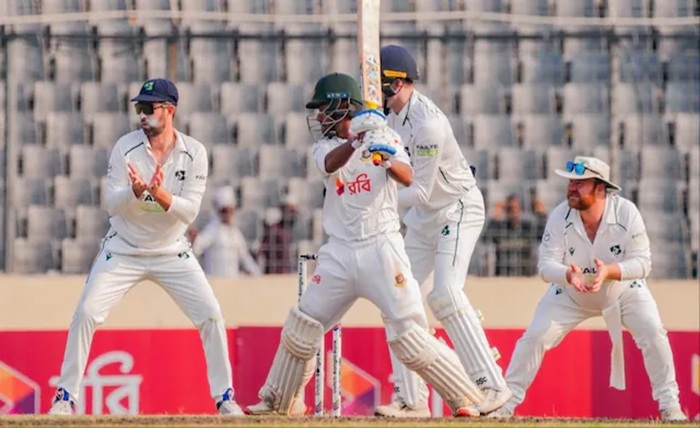
India’s online attention now moves across formats. Long reads still matter, but they share space with short clips and live trackers that refresh constantly. Cricket thrives in this environment because it creates urgency and shared focus. On big match nights, people often skim a preview, check the score between chats, and return later for deeper analysis. Search interest around cricket betting online can rise alongside live-score checks, reflecting this mix of depth and immediacy. Blogs have not lost value. Their role is clearer: live updates answer what is happening now, while articles explain why it happened and what it means next.
The evolution of online attention in India
A decade ago, online consumption felt more scheduled. People opened websites, read a full piece, and moved on. Mobile-first habits changed that rhythm. Phones made content constant, and notifications made attention reactive. Instead of committing to one format, audiences now move across formats based on need.
This is why sports content performs differently than many other categories. A match has a real-time storyline, so attention is pulled back repeatedly. News and entertainment can compete for time, but cricket competes for moments. Those moments are what reshape browsing behavior for millions of users.
Why live cricket fits modern consumption patterns
Live cricket is built for short bursts of engagement. A fan does not need to watch every ball to feel connected. A glance at runs, wickets, and overs provides a clear snapshot. That makes live match pages ideal for modern browsing, where attention comes in waves.
Ball-by-ball updates also function like micro-content. Each delivery is a unit of meaning. A dot ball increases pressure. A boundary relieves it. A wicket flips the tone instantly. This structure creates constant reasons to check in. Unlike many content types, the match produces fresh “newness” every few seconds.
Another factor is trust. Live numbers often arrive faster than video streams. Streams can lag because of buffering and distribution. Live data is lighter and can be delivered sooner. This trains users to rely on scorecards as the most reliable source of truth during match time.
Pages like slot-desi fit this pattern. They offer live tracking that supports second-screen behavior, where users keep one eye on the match while doing something else.
Blogs versus live data: different roles, same audience
Live updates answer the question “What just happened.” Blogs answer “Why did it happen.” Both are needed, and the same audience moves between them.
Before a match, blogs provide context. They explain pitch conditions, likely matchups, player roles, and what each team needs. During a match, the need shifts. Fans want instant confirmation. They want the current situation without scrolling through paragraphs.
After a match, blogs regain strength. People want narratives that connect the dots. They want to understand turning points, decision-making, and what a result means for standings and future games. Live data cannot provide that story. It can only provide a timeline.
The strongest content ecosystems understand this flow. They publish previews that anticipate questions. They present simple live trackers for immediate needs. They follow up with analysis that respects what fans already saw. This creates a full-cycle experience where each format supports the next.
What keeps users coming back during match
Match nights create a feedback loop between emotion and information. Anticipation keeps fans checking in. Uncertainty keeps them coming back. Shared moments keep them talking. Digital behavior during a match is not random. It follows predictable triggers.
A few engagement drivers show up repeatedly
- Unpredictability, because outcomes can flip quickly even late in an innings.
- Social reinforcement, because group chats and posts keep attention synchronized.
- Micro-milestones, such as powerplays, partnerships, and death overs.
- Instant confirmation, because fans want to verify what they heard or saw.
- Second-screen habits, because live tracking fits into busy evenings.
- Momentum watching, because small changes in rates signal pressure early.
These drivers explain why users may refresh a scorecard more often than they refresh a social feed during a close finish. The match delivers new information with every ball, and that information has immediate meaning.
Notifications also shape behavior. A wicket alert pulls users back. A “required rate” message changes perception. Even a rumor in a chat can send thousands to check the scorecard. Attention becomes collective, and the group’s energy keeps the loop running.
Lessons for bloggers and content creators
Creators who want to stay relevant during match-driven attention should treat live moments as part of the content landscape, not as competition. Live updates will always win the “right now” battle. Blogs can win by owning the “what it means” space.
Timing matters. Posts published too late feel redundant because fans already saw the numbers. Posts published too early can miss the moment. The most effective approach is to create content that complements the live cycle: short explainers that can be read during innings breaks, analysis that connects trends, and follow-ups that focus on decisions rather than only outcomes.
Content should also respect second-screen behavior. Paragraphs should be scannable. Headings should carry meaning. Key takeaways should be easy to find without forcing a full read in one sitting. This is not about reducing depth. It is about making depth accessible in a world where attention is shared.
Indian audiences have not abandoned blogs. They have become more selective about when and why they read them. Live cricket shows the new rules clearly. People want instant truth in the moment and thoughtful explanation afterward. Content that fits those needs will keep audiences engaged, even as ball-by-ball updates dominate the center of match night.