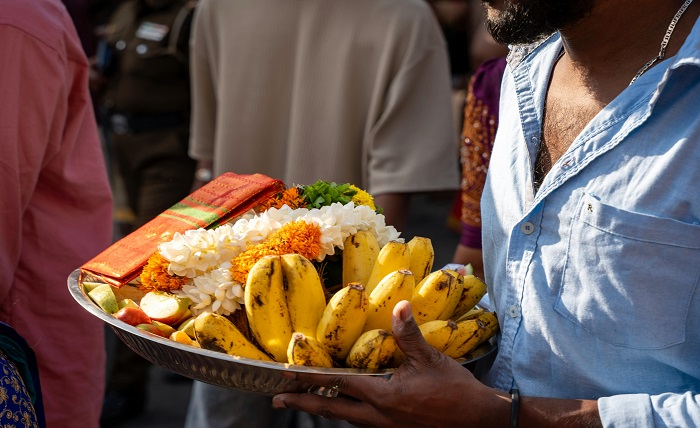
The phrase “ekadashi kab hai” is commonly searched by people who want to know the exact date of the next Ekadashi in the Hindu calendar. In Hinduism, Ekadashi is the eleventh lunar day that occurs twice every month—once during Shukla Paksha and once during Krishna Paksha. Whenever devotees ask ekadashi kab hai, they are usually preparing for fasting, पूजा (puja), meditation, and spiritual activities associated with Lord Vishnu. Since the Hindu calendar is based on lunar cycles, the answer to ekadashi kab hai changes every month according to the moon’s position.
Why Is “Ekadashi Kab Hai” So Important for Devotees?
For millions of Hindus, knowing ekadashi kab hai is essential because Ekadashi is considered one of the holiest fasting days. Devotees believe that observing a fast on Ekadashi helps cleanse the mind, body, and soul. Many people begin preparing a day before once they know ekadashi kab hai, arranging special prayers and avoiding certain foods. According to Hindu scriptures, fasting on Ekadashi and worshipping Lord Vishnu can remove negative karma and bring spiritual growth. This is why searches for ekadashi kab hai increase significantly before every Ekadashi.
History and Spiritual Significance of Ekadashi
The question ekadashi kab hai is deeply connected with Hindu mythology and spiritual traditions. According to ancient scriptures, Ekadashi originated from Lord Vishnu himself to destroy negative energies and sinful influences. Devotees who search ekadashi kab hai often follow stories from the Padma Purana and Bhagavad Gita, where fasting on Ekadashi is described as highly rewarding. It is believed that observing Ekadashi with sincerity helps a person achieve peace, prosperity, and even liberation from the cycle of birth and death. Therefore, understanding ekadashi kab hai is not just about dates but also about spiritual awareness.
Different Types of Ekadashi and Their Importance
When people ask ekadashi kab hai, they may not realize that there are 24 Ekadashi days in a year, and sometimes 26 during leap years. Each Ekadashi has a unique name and significance. Some of the most popular ones include Nirjala Ekadashi, Devshayani Ekadashi, Putrada Ekadashi, and Vaikuntha Ekadashi. Devotees searching ekadashi kab hai often specifically look for these important Ekadashi dates because each one is associated with different blessings and rituals. Some are believed to bring prosperity, while others are connected with health, happiness, and spiritual purification.
How to Observe Ekadashi Fast Properly
Once devotees know ekadashi kab hai, the next step is preparing for the fast. Traditionally, people avoid grains, rice, onions, garlic, and certain spices on Ekadashi. Fruits, milk, nuts, and special fasting foods are commonly consumed instead. Many devotees who search ekadashi kab hai also wake up early, take a holy bath, visit temples, and chant Vishnu mantras throughout the day. Some strict followers even observe a waterless fast known as Nirjala fasting. Knowing ekadashi kab hai helps devotees follow the correct timing for fasting and breaking the fast, also called Parana.
Health and Spiritual Benefits of Ekadashi Fasting
Another reason why people frequently search ekadashi kab hai is because Ekadashi fasting is believed to provide both spiritual and health benefits. Spiritually, fasting helps improve concentration, discipline, and devotion toward God. Physically, many people believe that observing Ekadashi fasting gives the digestive system time to rest and detoxify the body. Those interested in wellness often search ekadashi kab hai to align their fasting schedules with traditional Hindu practices. Scientific studies on intermittent fasting have also encouraged many modern individuals to appreciate the wisdom behind Ekadashi traditions.
How to Check “Ekadashi Kab Hai” Online
In today’s digital world, finding ekadashi kab hai has become easier than ever. Many Hindu calendar websites, Panchang apps, and spiritual platforms provide accurate Ekadashi dates and timings. By simply searching ekadashi kab hai on search engines, users can instantly access the upcoming Ekadashi date along with sunrise, fasting time, and Parana details. Mobile applications also send notifications before Ekadashi, helping devotees stay prepared. Since timing is extremely important for fasting rituals, checking reliable sources for ekadashi kab hai ensures proper observance.
Common Mistakes People Make While Following Ekadashi
Even after knowing ekadashi kab hai, some devotees unknowingly make mistakes during fasting. One common mistake is eating restricted foods such as grains or rice. Another issue occurs when people do not follow the exact Parana timing after fasting. Devotees searching ekadashi kab hai should also understand that Ekadashi begins and ends according to lunar timings, not the regular calendar day. Some people fast on the wrong date due to confusion between Smarta and Vaishnava Ekadashi. Therefore, checking authentic Panchang details after searching ekadashi kab hai is very important.
Role of Ekadashi in Modern Life
In today’s busy lifestyle, the importance of ekadashi kab hai remains strong among people of all ages. Many young devotees now use digital calendars and apps to stay updated about Ekadashi. Even individuals who cannot observe a strict fast still participate through prayers, meditation, and charity once they know ekadashi kab hai. Ekadashi has become more than a religious practice; it is also viewed as a day for mindfulness, self-control, and spiritual reflection. This growing awareness explains why online searches for ekadashi kab hai continue to rise every month.
How Families Celebrate Ekadashi Together
For many households, asking ekadashi kab hai becomes part of family tradition and preparation. Families often clean their homes, prepare fasting meals, and gather for evening prayers dedicated to Lord Vishnu. Children learn about Hindu culture and traditions when parents explain ekadashi kab hai and its spiritual importance. Temples also organize special bhajans and devotional events during Ekadashi. In this way, the observance of Ekadashi strengthens both spiritual values and family bonding.
Conclusion
In conclusion, the question ekadashi kab hai holds deep religious, cultural, and spiritual significance in Hinduism. From observing sacred fasts to performing prayers and seeking spiritual growth, Ekadashi remains one of the most respected days in the Hindu calendar. By understanding ekadashi kab hai, devotees can prepare themselves mentally and spiritually for this holy occasion. Whether through traditional Panchang calendars or modern digital apps, staying informed about ekadashi kab hai helps people continue an ancient practice that promotes devotion, discipline, and inner peace.
FAQs
1. What does “ekadashi kab hai” mean?
The phrase “ekadashi kab hai” means “when is Ekadashi” and is used to ask about the next Ekadashi fasting date in the Hindu calendar.
2. How many Ekadashi days are there in a year?
There are usually 24 Ekadashi days in a year, with two occurring every month according to the lunar calendar.
3. Why do people fast on Ekadashi?
People fast after knowing ekadashi kab hai because it is believed to bring spiritual purification, peace, and blessings from Lord Vishnu.
4. Can I drink water during Ekadashi fasting?
Yes, many devotees drink water during Ekadashi fasting, although some strict followers observe Nirjala Ekadashi without water.
5. Where can I check accurate Ekadashi dates?
You can search ekadashi kab hai online using Panchang websites, temple calendars, or Hindu calendar mobile applications for accurate timings and dates.