Introduction
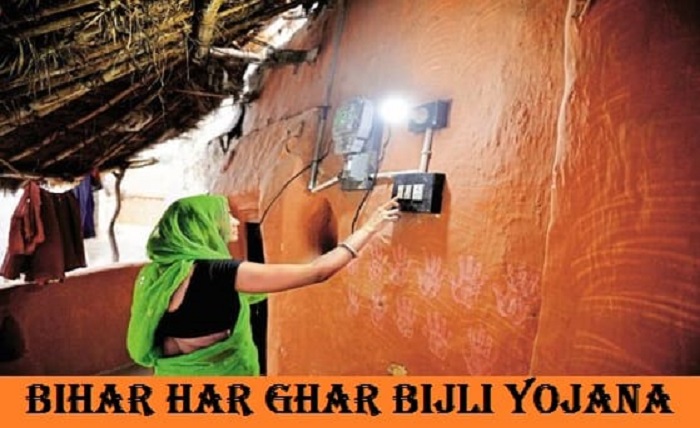
The vision of har ghar bijli represents a powerful commitment to ensuring that every household has access to reliable electricity. In today’s modern world, har ghar bijli is not just about lighting homes; it is about empowering communities, improving quality of life, and driving economic growth. Governments and organizations worldwide have recognized that har ghar bijli is essential for bridging the gap between rural and urban development.
The concept of har ghar bijli has gained immense momentum in recent years due to its role in transforming lives. From enabling children to study at night to powering small businesses, har ghar bijli plays a vital role in shaping a brighter future. As countries continue to develop, har ghar bijli stands as a cornerstone of progress and sustainability.
The Importance of Har Ghar Bijli in Modern Society
The implementation of har ghar bijli has become a fundamental requirement for societal development. Electricity is the backbone of modern living, and har ghar bijli ensures that no family is left behind. Access to electricity improves healthcare, education, and communication, making har ghar bijli a key driver of social change.
One of the biggest advantages of har ghar bijli is its impact on education. With proper lighting and access to digital tools, students can study effectively, which strengthens the overall education system. Additionally, har ghar bijli enhances safety and security in households by reducing dependence on unsafe lighting sources such as kerosene lamps.
Government Initiatives Supporting Har Ghar Bijli
Governments across the globe have launched various initiatives to achieve the goal of har ghar bijli. These programs focus on infrastructure development, rural electrification, and renewable energy integration. The success of har ghar bijli largely depends on effective planning, funding, and implementation strategies.
Policies supporting har ghar bijli often include subsidies, incentives, and partnerships with private sectors. By promoting sustainable energy sources, these initiatives ensure that har ghar bijli is not only widespread but also environmentally friendly. Continuous monitoring and evaluation are crucial to maintaining the progress of har ghar bijli projects.
Challenges in Achieving Har Ghar Bijli
Despite significant progress, achieving har ghar bijli comes with several challenges. Remote and geographically difficult areas often lack the infrastructure needed for electrification. Providing har ghar bijli in such regions requires innovative solutions and significant investment.
Another challenge in implementing har ghar bijli is maintaining a reliable power supply. Even when electricity connections are established, inconsistent supply can hinder the effectiveness of har ghar bijli. Addressing these challenges requires a combination of technology, policy reforms, and community involvement.
Role of Renewable Energy in Har Ghar Bijli
Renewable energy plays a crucial role in achieving the vision of har ghar bijli. Solar, wind, and hydroelectric power sources provide sustainable alternatives to traditional energy systems. Integrating renewable solutions into har ghar bijli initiatives helps reduce environmental impact and ensures long-term energy security.
Solar power, in particular, has been a game-changer for har ghar bijli in remote areas. With the installation of solar panels, households can access electricity without relying on centralized grids. This approach not only accelerates the progress of har ghar bijli but also promotes green energy practices.
Impact of Har Ghar Bijli on Rural Development
The introduction of har ghar bijli has significantly transformed rural communities. Access to electricity has enabled farmers to use modern equipment, improving agricultural productivity. As a result, har ghar bijli contributes directly to economic growth in rural areas.
In addition to agriculture, har ghar bijli supports small businesses and entrepreneurship. From running shops to operating machinery, electricity empowers individuals to generate income and improve their standard of living. The ripple effect of har ghar bijli is evident in the overall development of rural economies.
Technological Advancements Driving Har Ghar Bijli
Technological innovations have played a major role in advancing har ghar bijli. Smart grids, energy-efficient appliances, and digital monitoring systems have improved the efficiency and reliability of electricity distribution. These advancements make it easier to implement and sustain har ghar bijli initiatives.
Digital platforms also help track the progress of har ghar bijli projects, ensuring transparency and accountability. With the use of advanced technologies, authorities can quickly identify and resolve issues, making har ghar bijli more effective and accessible to all.
Future Prospects of Har Ghar Bijli
The future of har ghar bijli looks promising as governments and organizations continue to prioritize universal electrification. With ongoing investments and innovations, the goal of har ghar bijli is becoming increasingly achievable. Expanding renewable energy and improving infrastructure will further accelerate progress.
As technology evolves, har ghar bijli will also become more efficient and sustainable. The integration of smart energy solutions will ensure that households not only have access to electricity but also use it responsibly. The vision of har ghar bijli is set to redefine the way communities live and grow.
Conclusion
In conclusion, har ghar bijli is more than just a policy—it is a transformative movement that empowers individuals and communities. By ensuring electricity access to every household, har ghar bijli contributes to education, healthcare, economic growth, and overall development. While challenges remain, the continued focus on innovation and sustainability will help achieve the goal of har ghar bijli for all. The journey toward universal electrification is ongoing, but the impact of har ghar bijli is already evident in countless lives.
FAQs
1. What is the meaning of har ghar bijli?
Har ghar bijli means providing electricity access to every household, ensuring no home is left without power.
2. Why is har ghar bijli important?
Har ghar bijli is important because it improves living standards, supports education, and boosts economic development.
3. How does har ghar bijli benefit rural areas?
Har ghar bijli benefits rural areas by enabling modern farming, supporting small businesses, and improving daily life.
4. What role does renewable energy play in har ghar bijli?
Renewable energy helps achieve har ghar bijli by providing sustainable and cost-effective electricity solutions.
5. What are the main challenges in achieving har ghar bijli?
The main challenges of har ghar bijli include infrastructure limitations, remote locations, and maintaining a reliable power supply.