Introduction
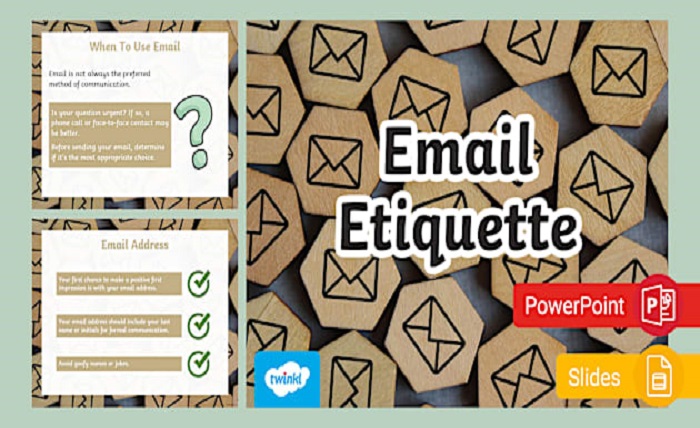
Emailetiquette is the foundation of professional communication in today’s digital world, where emails serve as a primary channel for both formal and informal exchanges. Understanding emailetiquette ensures that your messages are clear, respectful, and effective, helping you build strong relationships in both personal and professional settings. Whether you are writing to a colleague, client, or employer, mastering email etiquette can significantly impact how your message is perceived.
Emailetiquette is not just about grammar or spelling; it also includes tone, structure, timing, and clarity. Poor emailetiquette can lead to misunderstandings, missed opportunities, or even damage to your reputation. By practicing good emailetiquette, you demonstrate professionalism and attention to detail, which are highly valued traits in any environment.
Why Emailetiquette Matters in Professional Communication
Emailetiquette plays a crucial role in shaping how others perceive you in a professional setting. When you follow proper emailetiquette, your emails appear polished, thoughtful, and respectful, which can enhance your credibility. On the other hand, ignoring emailetiquette may result in confusion or a negative impression.
Another reason emailetiquette is important is that emails often lack tone and body language, making it easier for messages to be misinterpreted. By applying emailetiquette principles such as clarity and politeness, you reduce the risk of misunderstandings. Effective emailetiquette ensures that your intentions are communicated accurately.
Emailetiquette also helps in maintaining professionalism across different cultures and workplaces. Since email is a global communication tool, adhering to emailetiquette standards ensures that your message is appropriate regardless of the recipient’s background.
Key Elements of Proper Emailetiquette
Emailetiquette consists of several essential elements that contribute to effective communication. One of the most important aspects of emailetiquette is having a clear and concise subject line. A well-written subject line helps the recipient understand the purpose of your email immediately.
Another critical component of emailetiquette is using a professional greeting and closing. Starting your email with a polite greeting and ending it with a respectful sign-off reflects good emailetiquette and leaves a positive impression. These small details can make a big difference.
Additionally, emailetiquette emphasizes the importance of proper formatting. Breaking your content into short paragraphs, using bullet points when necessary, and avoiding long blocks of text all contribute to better readability. Good emailetiquette ensures your email is easy to understand.
Writing Clear and Concise Emails with Emailetiquette
Clarity is at the heart of emailetiquette, and writing clear emails should always be your priority. When practicing emailetiquette, it is important to get straight to the point while still being polite and respectful. Avoid unnecessary details that may distract from your main message.
Emailetiquette also encourages the use of simple language. Complex sentences and jargon can confuse the reader, so it is better to keep your message straightforward. By following emailetiquette, you make your emails more accessible and effective.
Another tip for improving emailetiquette is to proofread your emails before sending them. Checking for spelling, grammar, and punctuation errors ensures that your message appears professional. Strong emailetiquette requires attention to detail in every email you send.
Tone and Language in Emailetiquette
Tone plays a significant role in emailetiquette, as it determines how your message is received. Maintaining a polite and respectful tone is essential for good emailetiquette, especially in professional settings. Avoid sounding too casual or overly formal.
Emailetiquette also involves being mindful of your language. Words can easily be misinterpreted in written communication, so it is important to choose them carefully. Practicing good emailetiquette means avoiding sarcasm, slang, or ambiguous phrases.
Another important aspect of emailetiquette is expressing gratitude and appreciation when appropriate. A simple “thank you” can go a long way in building positive relationships. By using a courteous tone, emailetiquette helps foster better communication.
Common Emailetiquette Mistakes to Avoid
Understanding common mistakes is essential for improving your emailetiquette. One frequent error in emailetiquette is sending emails without a subject line, which can confuse the recipient and reduce the likelihood of a response.
Another common mistake in emailetiquette is using overly long emails. Lengthy messages can overwhelm the reader, making it difficult to grasp the main point. Good emailetiquette encourages brevity and clarity.
Emailetiquette also warns against replying to emails hastily without fully understanding the message. Taking time to read and respond thoughtfully is a key part of emailetiquette. This ensures that your reply is accurate and appropriate.
Emailetiquette for Workplace Success
Emailetiquette is especially important in the workplace, where communication directly affects productivity and relationships. Following emailetiquette guidelines ensures that your emails are professional and aligned with organizational standards.
One key aspect of workplace emailetiquette is responding promptly to emails. Timely responses demonstrate reliability and respect for others’ time. Good emailetiquette helps maintain smooth communication within teams.
Emailetiquette also involves respecting confidentiality and privacy. Avoid sharing sensitive information without proper authorization. By practicing responsible emailetiquette, you contribute to a trustworthy work environment.
Advanced Emailetiquette Tips for Professionals
For those looking to go beyond the basics, advanced emailetiquette tips can further enhance your communication skills. One such tip is customizing your emails based on the recipient. Personalized messages reflect strong emailetiquette and show that you value the relationship.
Another advanced emailetiquette strategy is managing your email tone based on context. Different situations may require different levels of formality, and adapting your tone demonstrates flexibility and professionalism.
Emailetiquette also includes proper use of CC and BCC fields. Misusing these features can lead to confusion or privacy issues. Understanding when and how to use them is an important part of advanced emailetiquette.
Conclusion
Emailetiquette is an essential skill that can significantly impact your personal and professional communication. By mastering emailetiquette, you ensure that your emails are clear, respectful, and effective. From writing concise messages to maintaining a professional tone, every aspect of emailetiquette contributes to better communication.
In today’s fast-paced digital world, emailetiquette is more important than ever. It helps you build strong relationships, avoid misunderstandings, and present yourself as a competent communicator. By consistently applying emailetiquette principles, you can achieve greater success in all your email interactions.
FAQs
1. What is emailetiquette?
Emailetiquette refers to the set of rules and best practices for writing professional and effective emails, ensuring clear and respectful communication.
2. Why is emailetiquette important?
Emailetiquette is important because it helps prevent misunderstandings, improves professionalism, and enhances communication in both personal and professional settings.
3. What are the key elements of emailetiquette?
The key elements of emailetiquette include a clear subject line, proper greeting and closing, concise content, polite tone, and correct formatting.
4. How can I improve my emailetiquette?
You can improve your emailetiquette by proofreading emails, keeping messages concise, using polite language, and adapting your tone to the situation.
5. What are common emailetiquette mistakes?
Common emailetiquette mistakes include missing subject lines, overly long emails, poor grammar, and using an inappropriate tone.